
-
Translate
 TH
TH EN
EN JP
JP CN
CN
TH EN JP CNAGV (Automated Guided Vehicle) is a smart vehicle that operates without a driver. It is used for transporting goods, raw materials, and equipment within factories or warehouses. AGVs use navigation technologies such as lasers, magnets, or advanced sensor systems to move accurately and safely.
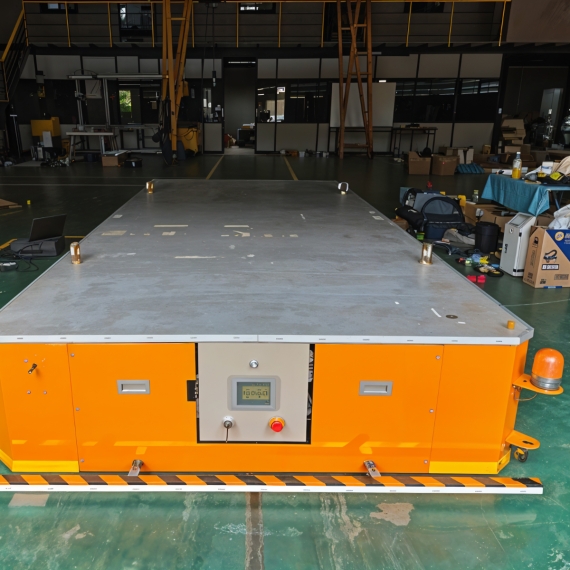
The Importance of AGVs in Modern Industry
The use of AGVs helps organizations reduce labor costs and time, enhance work efficiency, and ensure continuous production processes while reducing downtime. Furthermore, it also enhances safety, making it a technology that supports the development of factories into Industry 4.0.
Benefits of Using AGVs
- Reduces long-term labor costs
- Operates accurately and quickly
- Reduces human error
- Operates 24/7
- Increases safety during goods transportation
- Integrates smoothly with other automation systems
Types of AGVs
1. Towing AGV – Suitable for transporting pallets or large quantities of goods.
2. Forklift AGV – Used to lift and store items on shelves.
3. Mobile Robot AGV – Moves in multiple directions along predefined paths.
4. Specialized AGVs – For specific industries such as food, pharmaceuticals, and hospitals.
How AGVs Work
AGVs use a Central Control System to define paths and track their movements. Operators can monitor real-time transportation status, and the system can automatically adjust the route when obstacles are detected.
Real-world Applications of AGVs
- Automotive factories use AGVs to transport parts between production lines.
- Warehouses use AGVs for systematic storage and movement of goods.
- Electronics industries use AGVs to improve the accuracy of transporting small components.
- Hospitals use AGVs to transport medical supplies, medicines, and equipment.
AGVs and the Transition to Industry 4.0
Implementing AGVs elevates factories to become Smart Factories. They can be connected to IoT and AI systems, automating processes more efficiently and meeting the fast-changing market demands.
The adoption of AGVs in Thailand continues to grow, particularly in logistics centers and large manufacturing facilities. More organizations are choosing automated transport systems to boost efficiency, cope with labor shortages, and stay competitive in an increasingly demanding market. Over time, these investments also help lower operating costs and create more stable, predictable workflows across operations.
AGVs play an important role in modernizing factories and warehouses. They help lower labor costs, improve workplace safety, and support fully automated production and material handling processes. For organizations looking to move toward Industry 4.0, investing in Automated Transport AGVs is a practical and forward-looking decision that should not be overlooked.